
The Love Boat and Commercial Acting
The Andy Warhol DiariesThis thread traces Warhol’s uneasy transition into acting and television work, where celebrity image met the practical demands of performance.
increasing Bearing strength in each event
 decreasing
Bearing strength in each eventdecreasingA Walk-On Opportunity
A Walk-On Opportunity
Acting as a possibility
Warhol’s agent discussed film roles, television appearances, and opportunities that might extend his public persona.
He was curious about acting but often doubted his ability to deliver lines naturally.
Business alongside performance
Potential roles were also ways to generate publicity, income, and connections for Interview.
The Cocaine Cowboys Appearance
The Cocaine Cowboys Appearance
Playing himself
Warhol appeared in Tom Sullivan’s film Cocaine Cowboys, including a short scene and lines he found difficult to perform.
He later watched the footage and judged himself more favorably than expected.
A modest screen presence
The role demonstrated that he could appear on camera even while remaining uncomfortable with scripted performance.
The Love Boat Deal
The Love Boat Deal
A television appearance
Warhol’s agent arranged a possible guest appearance on The Love Boat, giving him a chance to enter a mainstream television format.
He approached the prospect with curiosity but also doubts about how producers would present him.
Exposure as a transaction
The opportunity reflected the growing commercial value of his public identity.
A Network Guest
A Network Guest
Performing for television
Warhol appeared in short television segments and advertisements while questioning whether he was a good guest.
He often felt that producers did not know what to do with his manner or his unusual answers.
A recurring uncertainty
Television could magnify his visibility but did not guarantee that he controlled the final story.
The Camera Turns on Warhol
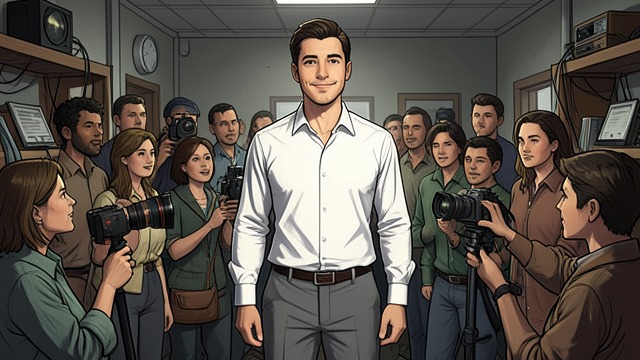
The Camera Turns on Warhol
A familiar face on screen
The Love Boat, commercials, music videos, and profiles made Warhol’s appearance part of mainstream entertainment.
He enjoyed the absurdity of being cast as himself while worrying that the performances might eclipse his art.
A public image in motion
Every appearance created a new version of Warhol, shaped by networks, advertisers, and his own calculated detachment.
Late 1970s
1978
1980–1981
1980s
1984–1986
